
As a yoga instructor what I have noticed in people often is that, most of the time, stress does not arrive as a panic attack, a breakdown, or a moment where everything suddenly collapses.
Instead, chronic stress settles into everyday life quietly. It looks like checking your phone the second you wake up, feeling tired even after sleeping, losing patience faster than usual, overthinking simple conversations.
Wanting silence, but feeling uncomfortable when things finally become quiet. For many people, stress becomes so normal that they stop recognizing it altogether. And that is exactly why learning how to manage stress naturally matters more now than ever before.
Why Constant Stress Feels Impossible to Escape
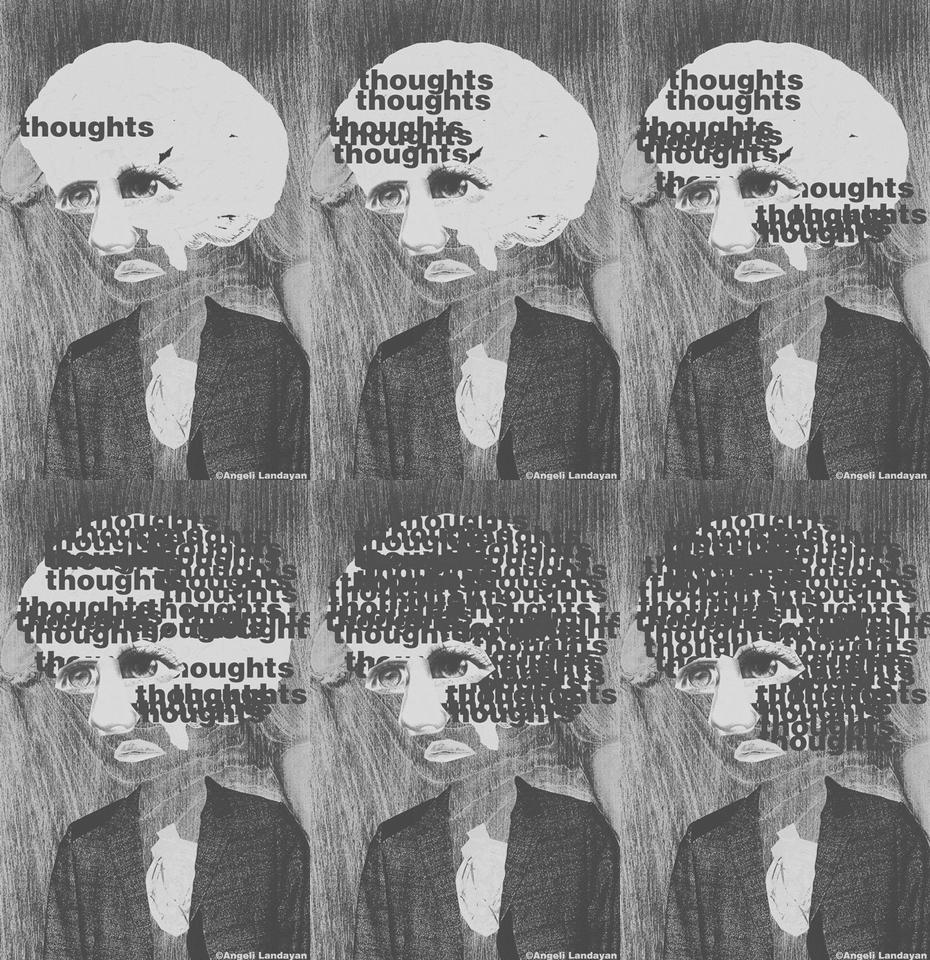
Our life keeps the nervous system switched on almost all the time :
- Work pressure.
- Financial uncertainty
- Relationship tension
- Digital overload
- Poor sleep
- Continuous notifications
- Emotional exhaustion hidden behind productivity
The body was designed to handle short bursts of stress — not endless stimulation without recovery.
When stress becomes chronic, the nervous system struggles to return to a calm, balanced state.
Over time, this affects our sleep quality, emotional regulation, digestion, hormonal balance, focus and mental clarity, energy levels, even our skin health, muscle tension and immune function
Many people continue functioning externally while internally feeling mentally fatigued, emotionally reactive, and physically depleted. That is why stress management is not just about “relaxing.” It is about helping the body regulate itself again.
The Most Common Signs of Hidden Stress
A lot of people ask me, “Why do I feel stressed even when nothing major is happening?”
The most common reason that always almost turns up is that stress accumulation is gradual. Some of the most overlooked symptoms of chronic stress include:
- Tight shoulders or jaw clenching
- Random headaches
- Waking up during the night
- Brain fog and poor concentration
- Emotional numbness
- Irritability over small things
- Constant fatigue
- Skin flare-ups during pressure periods
- Feeling emotionally overwhelmed by normal tasks
- Craving isolation or “escape” time
These are not random habits, they are nervous system signals.
So, How Do People Actually Cope With Stress in Real Life?
Most people do not eliminate stress completely. They build small recovery habits that help the mind and body feel safer, calmer, and more stable over time. The most effective stress relief techniques are usually simple, repeatable, and sustainable.
Here are some of the methods people consistently rely on for emotional balance and nervous system regulation.
1. Creating Small Moments of Stillness
People often think stress recovery requires long routines or major lifestyle changes. In reality, short pauses throughout the day can significantly reduce mental overload. Even two minutes of intentional slowing down can help interrupt the body’s stress response.
Examples include:
- Sitting quietly before opening notifications
- Taking slow breaths before meetings
- Walking without music or screens
- Spending time in natural light
- Stretching the body consciously
The goal is not productivity, the goal is giving the nervous system moments where it does not feel under threat.

2. Improving Sleep Instead of Just “Trying to Sleep”
One of the biggest effects of stress is disrupted sleep. People under chronic stress often feel tired but mentally alert at night. This happens because the nervous system stays activated even when the body wants rest.
Supportive sleep habits that genuinely help include:
- Lower lighting in the evening
- Avoiding overstimulation before bed
- Keeping consistent sleep timings
- Reducing screen exposure at night
- Using calming sensory rituals repeatedly
Over time, predictable nighttime routines teach the brain to associate certain cues with safety and recovery.
3. Using Aromatherapy for Nervous System Support
Scent has a direct connection to the limbic system — the area of the brain involved in emotional processing, memory, and stress regulation. This is why certain essential oils are widely used for stress relief, relaxation, and sleep support.
When used consistently, aromatherapy may help:
- Promote emotional calmness
- Reduce feelings of mental tension
- Support deeper relaxation
- Improve bedtime routines
- Create sensory grounding during overwhelm
Common essential oils for stress and anxiety support include lavender essential oil, bergamot essential oil, frankincense oil, chamomile oil, ylang ylang oil and sandalwood oil (always dilute essential oils before using, or better ask your aromatherapist about proper usage)
At Krypa Wellness, we design aroma-based wellness rituals around nervous system regulation, emotional recovery, and stress-induced sleep disruption using evidence-led aromatherapy practices.

4. Letting the Body Release Stored Tension
Stress is physical, not just mental. The body stores tension subtly throughout the day. Your shoulders tighten, breathing becomes shallow, the jaw locks unconsciously, posture collapses under fatigue.
Many people feel calmer simply by reconnecting with physical awareness again. Helpful practices include gentle yoga, breathwork (pranayama), stretching, slow walks, somatic relaxation exercises and conscious exhalation practices. Even small physical releases can help signal safety to the nervous system.
5. Reducing Constant Mental Input
A major cause of modern stress is continuous stimulation. People consume information all day without giving the brain recovery time. Constant scrolling, multitasking, and background noise keep the mind overstimulated. Many people manage stress better when they intentionally reduce unnecessary input.
Simple examples:
- Spending less time on social media
- Keeping mornings screen-free
- Avoiding excessive news consumption
- Protecting quiet time
- Choosing slower routines occasionally
Mental clarity often improves when stimulation decreases.

What Actually Helps Long-Term Stress Recovery?
The nervous system responds best to repeated signals of safety over time. Small daily habits practiced consistently usually work better than occasional extreme self-care routines. Real stress management is less about escaping life and more about helping the body stop feeling constantly overwhelmed by it.
A Gentle Starting Point
If life has been feeling emotionally heavy lately, begin smaller than you think you need to.
Try this tonight:
- Dim the lights 30 minutes earlier
- Put your phone away briefly
- Take slower exhales than inhales
- Use a calming aroma nearby
- Relax your shoulders consciously
- Let your body feel still for a few minutes
Just to help your nervous system remember what calm feels like again.
People do not usually handle constant stress by becoming stronger. They cope by creating moments of regulation inside ordinary life. That might look like better sleep habits, less stimulation, more body awareness, breathwork, aromatherapy, gentle routines repeated consistently.
Because stress recovery rarely happens through force. It happens when the body slowly learns that it is safe enough to soften again. For people exploring natural stress relief, nervous system support, and aroma-based wellness rituals, we at Krypa Wellness offers botanical blends designed to support relaxation, emotional balance, and deeper rest naturally.
Suffering from stress, mental fatigue and sleepless nights but don't know where to start, feel free to contact us for a complimentary 10 minutes call or check out our introductory set!